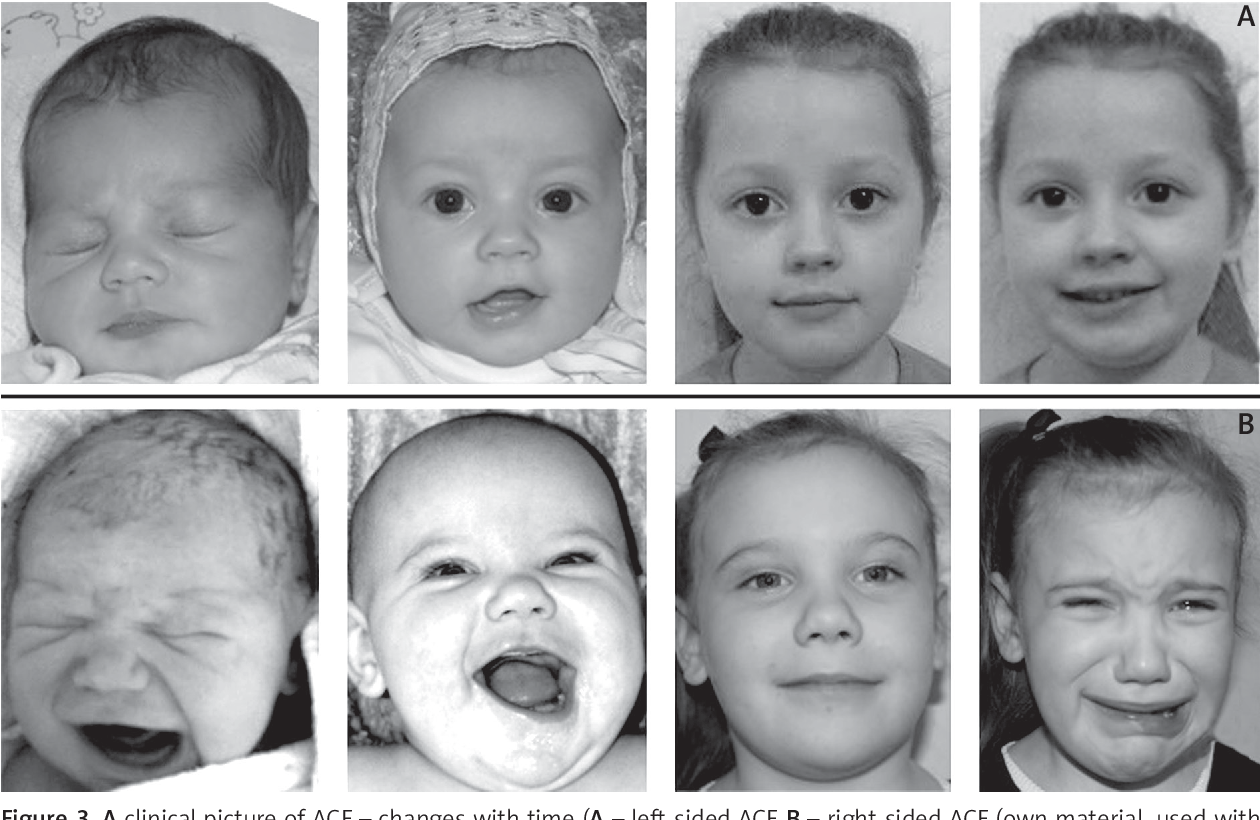
Asymmetrical crying facies is a condition that affects many individuals, including some well-known celebrities. This condition can manifest in various forms, impacting the way emotions are expressed through facial movements. While it may be perceived as a unique characteristic, it is essential to understand the implications of asymmetrical crying facies, especially in the context of public figures who are often under the spotlight. In this article, we will delve into the lives of celebrities with asymmetrical crying facies, exploring their experiences and the perceptions surrounding this condition.
Understanding asymmetrical crying facies involves examining the underlying causes, which can range from neurological conditions to genetic factors. As we highlight notable celebrities who exhibit this trait, we will also provide insights into how it has shaped their personal and professional lives. The aim is not only to educate our readers about this condition but also to foster empathy and understanding for those who live with it.
This exploration will not only cover specific celebrities but will also address the broader implications of facial asymmetry in the entertainment industry. How does it influence public perception? Does it affect their career trajectories? These are some of the questions we will address throughout the article.
Table of Contents
What is Asymmetrical Crying Facies?
Asymmetrical crying facies refers to a condition where an individual exhibits uneven facial expressions, particularly when crying. This phenomenon can result in one side of the face appearing more expressive than the other. It is important to note that this condition is not merely a cosmetic issue; it often has medical implications that can affect emotional expression and interpersonal communication.
In many cases, asymmetrical crying facies is associated with certain medical conditions, including:
- Bell's Palsy
- Stroke
- Facial nerve damage
Understanding the medical background of asymmetrical crying facies can help demystify the experiences of individuals who live with this condition, including various celebrities.
Causes of Asymmetrical Crying Facies
The causes of asymmetrical crying facies can be diverse and may include both congenital and acquired factors. Some of the most common causes include:
- Neurological Conditions: Conditions such as Bell's Palsy can lead to temporary or permanent facial asymmetry.
- Genetic Factors: Some individuals may inherit traits that predispose them to facial asymmetry.
- Injury or Trauma: Facial injuries can result in uneven muscle control, affecting emotional expression.
It is crucial to recognize that these underlying conditions can vary significantly in severity and impact, thereby influencing how individuals cope with their asymmetrical crying facies.
Celebrities with Asymmetrical Crying Facies
Several celebrities have garnered public attention not only for their talents but also for their unique facial features, including asymmetrical crying facies. Here, we explore a few notable figures.
Celebrity One: [Name]
| Name | [Name] |
|---|---|
| Date of Birth | [DOB] |
| Profession | [Profession] |
| Known For | [Famous Works] |
[Celebrity One] has been open about their experiences with asymmetrical crying facies, discussing how it has shaped their emotional expressions and public persona. They often emphasize the importance of embracing one’s unique traits.
Celebrity Two: [Name]
| Name | [Name] |
|---|---|
| Date of Birth | [DOB] |
| Profession | [Profession] |
| Known For | [Famous Works] |
Similarly, [Celebrity Two] has faced challenges due to their asymmetrical crying facies. They have shared stories of overcoming societal expectations and using their experiences to connect with fans on a deeper level.
Celebrity Three: [Name]
| Name | [Name] |
|---|---|
| Date of Birth | [DOB] |
| Profession | [Profession] |
| Known For | [Famous Works] |
[Celebrity Three] has also navigated the complexities of asymmetrical crying facies, using their platform to raise awareness about facial differences and promoting self-acceptance.
The representation of asymmetrical crying facies in the media can significantly influence public perception. Celebrities often face scrutiny regarding their appearances, and asymmetrical features may lead to mixed reactions from fans and critics alike.
However, many celebrities have utilized their platforms to challenge societal norms, advocating for acceptance of diversity in physical appearances. By showcasing their asymmetrical crying facies, they help normalize the idea that beauty comes in various forms.
Impact on Career
Asymmetrical crying facies can have various impacts on a celebrity's career. While some individuals may initially face challenges in the industry due to their unique features, many have turned their perceived disadvantages into strengths.
Benefits of embracing asymmetrical crying facies in a career include:
- Authenticity: Celebrities who embrace their unique features often resonate more with audiences.
- Advocacy: Many use their experiences to advocate for inclusivity and representation in media.
- Relatability: Fans often appreciate celebrities who are open about their struggles and imperfections.
Overcoming Challenges
Many celebrities with asymmetrical crying facies have shared their journeys of overcoming challenges related to their condition. Some common strategies include:
- Embracing Self-Acceptance: Learning to love oneself despite perceived flaws is crucial for mental well-being.
- Seeking Support: Many find solace in support groups or therapy to discuss their experiences.
- Using Influence Positively: Celebrities often leverage their influence to advocate for others facing similar challenges.
Conclusion
In conclusion, asymmetrical crying facies is a condition that affects both everyday individuals and celebrities alike. By highlighting the experiences of famous personalities who live with this condition, we can foster understanding and acceptance in society. Celebrities like [Celebrity One], [Celebrity Two], and [Celebrity Three] have shown that embracing one's unique features can lead to empowerment and advocacy for others.
As we continue to celebrate diversity in all its forms, let us remember that every individual has a story worth telling. We encourage our readers to engage with us—share your thoughts in the comments, explore more articles on similar topics, and join us in promoting a culture of acceptance.
Thank you for reading! We hope to see you back on our site for more insightful
ncG1vNJzZmibn6PBprrTZ5ydn5WpsqS0wJyYnZ2drnumsNRom7Kjo6m%2Fon%2BOnJylnZKntrW1xKxksKGknXqiv9impJ6sop6woriMnKmyoZ6ceqetwqKcrGaYqbqt